


Football’s Boom Is Not the Same as Football Development
Sikkim Football: The Thriving SPL and Its Impact
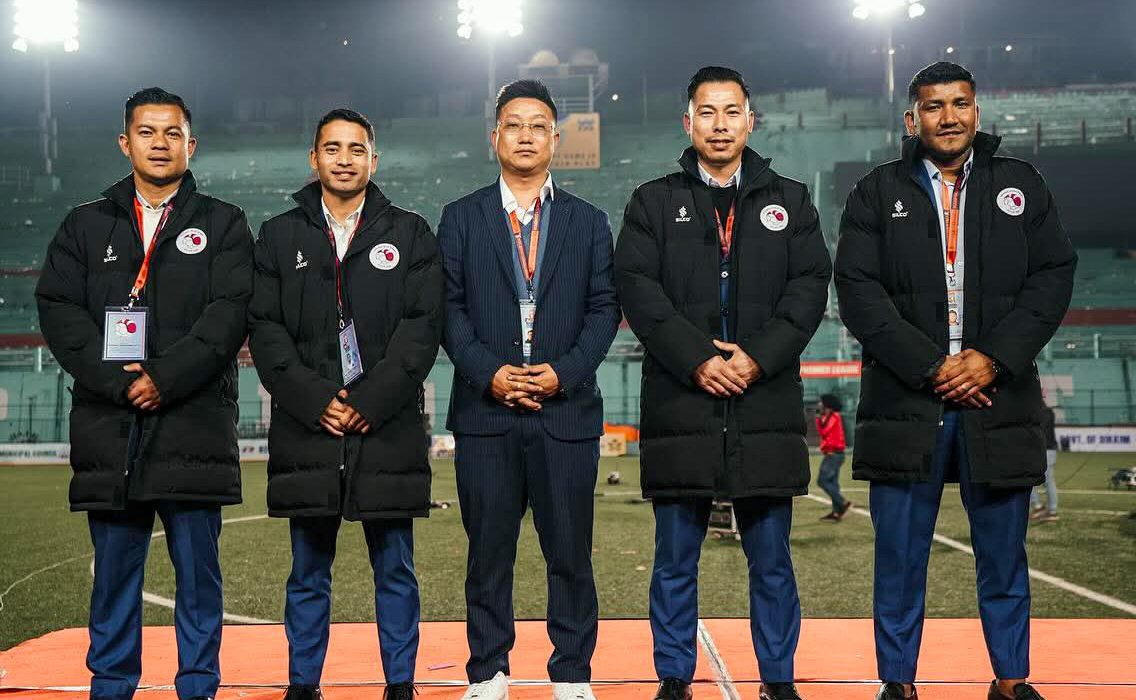
Launched in 2023, the Sikkim Premier League (SPL) is a new franchise-based state league organized by former local footballers under Football Development Pvt. Ltd.. The league is sponsored by the Sikkim government (via Teesta Urja Ltd) and explicitly aims to provide opportunities for homegrown players and foster a club culture. In its second season (2024) SPL featured eight district-based teams (two each from Gangtok and Namchi, and one each from Pakyong, Gyalshing, Soreng, and Mangan). Clubs compete for substantial prizes (for example, in 2025 the champion received ₹20 lakh and the runner-up ₹10 lakh).
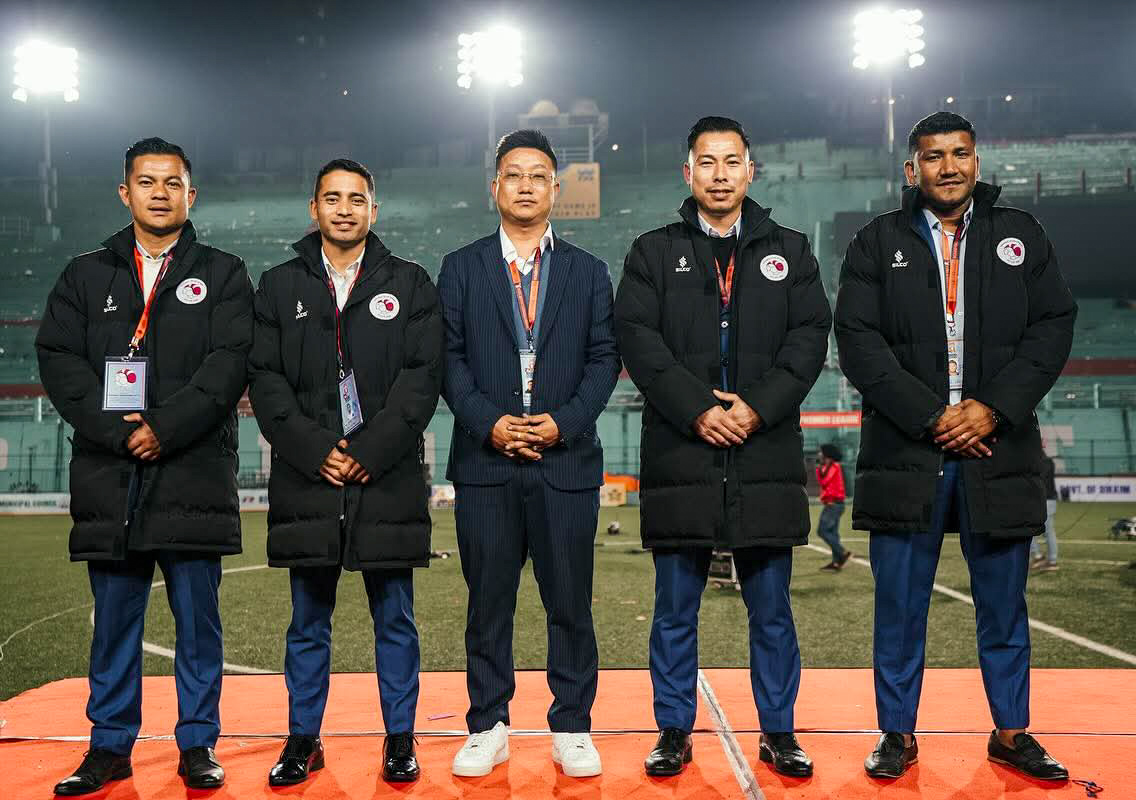
The Sikkim Premier League (SPL) has become one of the state’s most visible sporting events. Stadiums filled with crowds, matches generate significant engagement online, and football dominates public conversation during the tournament season. Few would deny that SPL has increased the profile of football in Sikkim.
But is that popularity producing a sustainable football ecosystem?
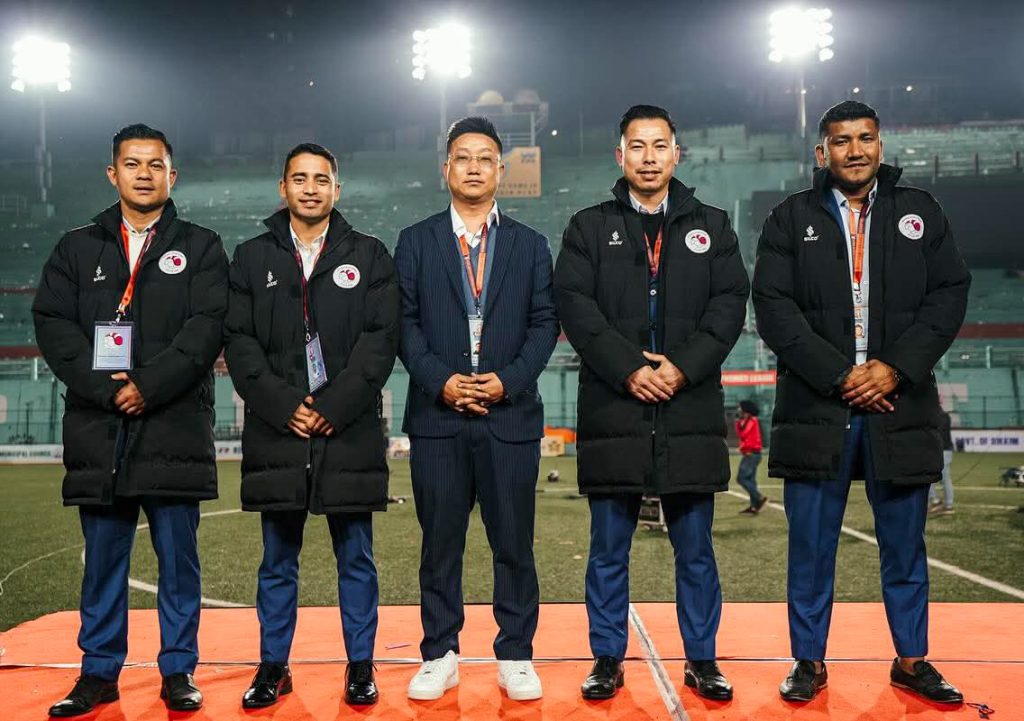
A member of FDPL board of directors, also a former India international footballer, Nirmal Chettri, have consistently argued that SPL was created to strengthen football development within Sikkim. The objective is clear. Provide local players with competitive exposure, professional structures, and pathways into higher levels of the game.
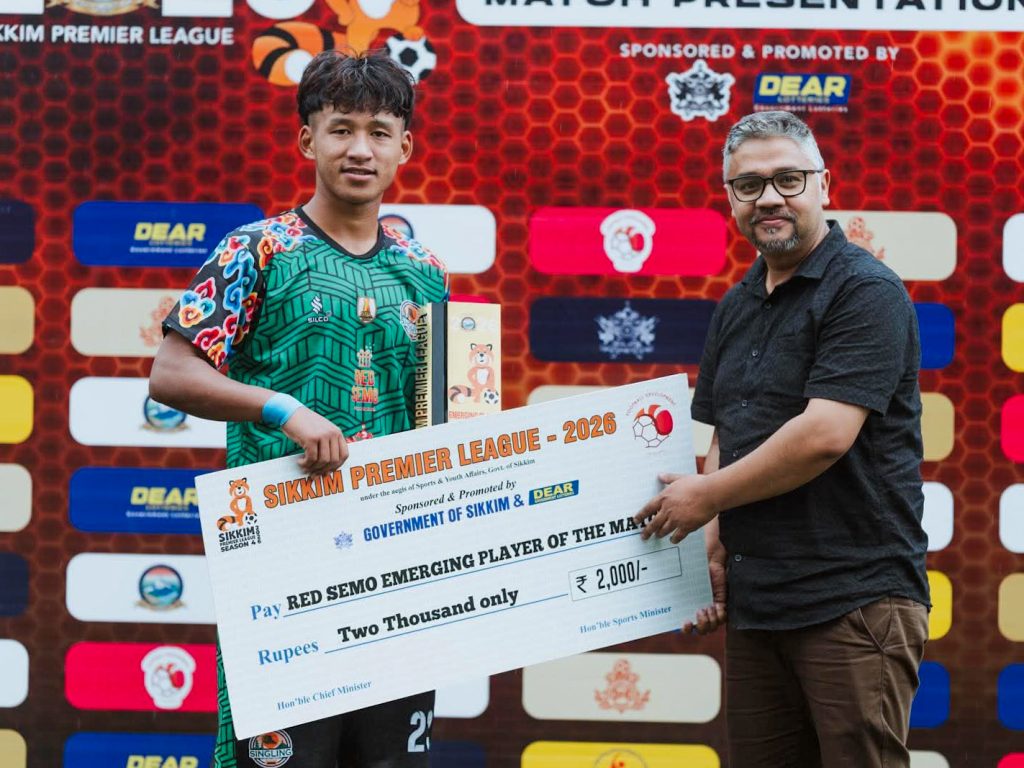
It is evident that the progress is occurring. More young players are entering organised football platforms than in previous years. And the league has expanded opportunities for football in Sikkim. For teenagers like Sameek Hang Limboo, football is no longer viewed a hobby with limited prospects. It is a potential career pathway.
Yet football development cannot be measured by visibility alone.
A genuine football ecosystem requires year-round coaching programmes, district-level competitions, youth scouting networks, sports medicine support, trained coaches, and financially stable clubs. A successful tournament can create excitement, but excitement and development are not the same thing. Unless structures exist beyond the SPL season, football growth risks remaining seasonal rather than institutional.
The league’s economic claims deserve similar scrutiny. SPL officials have repeatedly claimed that SPL generates more than ₹30 crore every season. In contrast to the 3 crore state budget allocated to the League. The seasonal economic summed up from spending on accommodation, transport, food services, local vendors, and related activities, as they mention. If accurate, that would make football one of the state’s most productive public investments.
However, the independent economic assessment for this claim is not available in public domains. There is little publicly verifiable data on tourism inflows, visitor spending, employment generation, or revenue circulation linked directly to the tournament. Economic optimism may be justified, but it is not a substitute for evidence.
The debate surrounding public support for SPL should also move beyond simplistic arguments. Critics question whether government-backed spending on football is appropriate in a small state facing competing demands for infrastructure, healthcare, education, and employment. That concern is legitimate. Public expenditure should always be open to scrutiny.
At the same time, sport serves functions that cannot be measured solely through construction projects or budget allocations. Football creates public participation, community engagement, and opportunities for young people. The question is not whether sport deserves investment. The question is whether that investment is transparent, accountable, and capable of producing long-term returns.
Season 4 has exposed a deeper structural challenge. During field reporting by The Himali Journal, officials from Siniolchu Football Club and Gangtok Himalayan Sporting Club confirmed difficulties in securing sponsorship support despite approaching businesses and contractors. Their experiences reveal a contradiction at the centre of SPL’s growth.
If football’s popularity is expanding, why are clubs still struggling to attract sustainable commercial backing?
The answer may lie in the limited scale of the regional sponsorship market. Football culture appears to be growing faster than the commercial ecosystem required to support it. Clubs continue to depend heavily on institutional assistance and league support to remain operational.
That dependence raises perhaps the most important question facing SPL today: can clubs eventually survive on their own?
The long-term success of the league will not be determined by attendance figures, social media views, trending videos, or viral moments. Those indicators measure attention. They do not measure institutional strength.
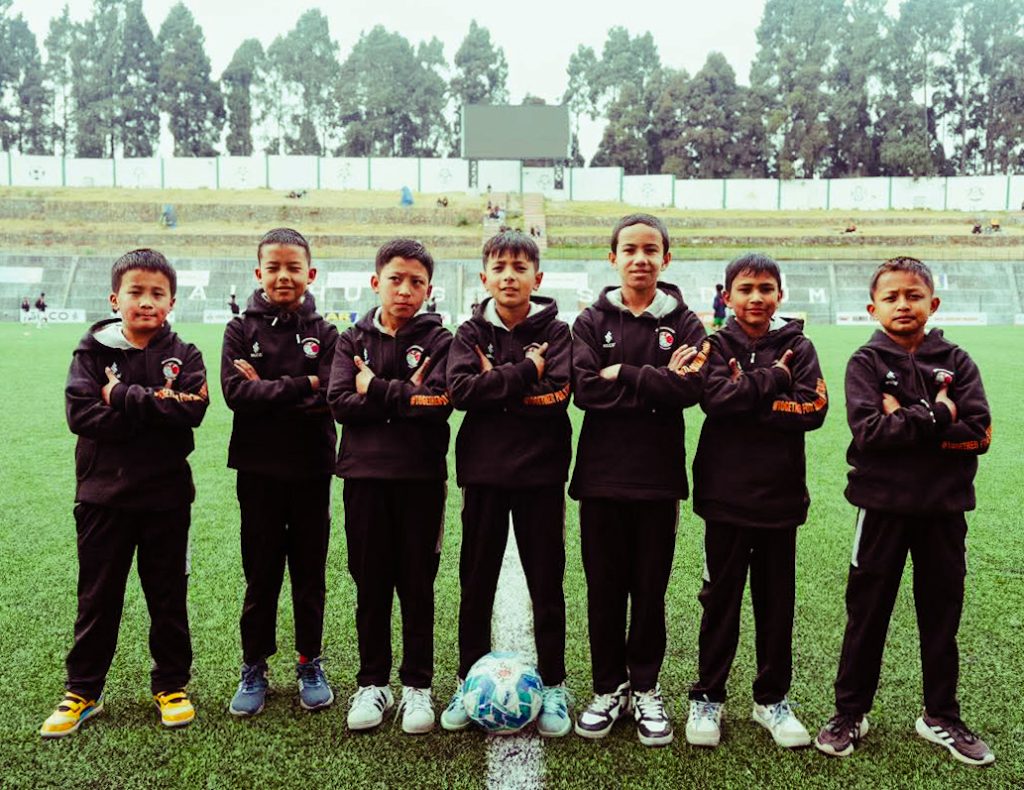
The true test of SPL will be whether clubs become financially viable, whether youth development pathways operate throughout the year, whether players progress consistently to higher levels, and whether economic claims can withstand independent scrutiny.
The league’s social impact is nevertheless significant. Young footballers such as Sameek Hang Limboo now grow up believing professional football is achievable from within Sikkim itself. That shift in perception matters. But aspiration alone is insufficient. For every player who reaches elite competition, many others will require educational support, career planning, and alternative opportunities beyond football.
SPL has unquestionably changed the football conversation in Sikkim. What remains uncertain is whether Sikkim can transform football’s popularity into lasting institutions. That is the challenge now facing the league. Not how to attract attention, but how to convert attention into sustainability.