





Declining Fish Populations in Sikkim: A Growing Concern for Conservation

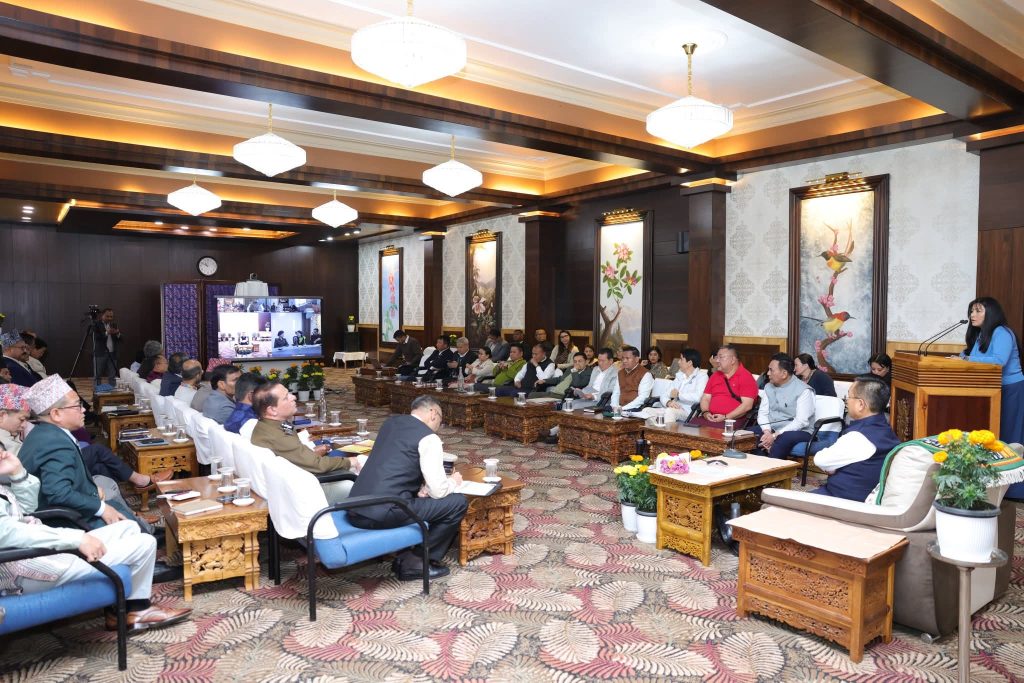
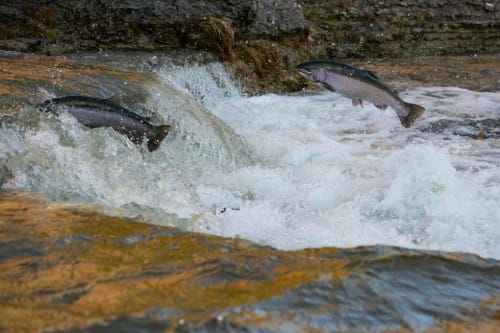
The recent awareness program on ‘Responsible Angling’ at River Rangeet, organized by the Directorate of Fisheries, Government of Sikkim, shed light on the alarming decline in fish populations across the state’s rivers. Over the past 34 years, Sikkim’s indigenous fish species have drastically reduced from 48 to just 24, with species like the Copper Mahseer, Golden Mahseer, and endemic Garela facing severe threats. The Copper Mahseer has already been classified as an endangered species.
Causes of Declining Fish Populations
Ugen Tsheten Bhutia, Assistant Director, Directorate of Fisheries, Gyalshing District, attributed the decline to several key factors:
Pollution: Industrial waste and unregulated disposal have degraded river water quality.
Illegal Quarrying: Excessive extraction of riverbed materials disrupts aquatic ecosystems.
Global Warming: Rising temperatures impact fish breeding cycles and habitats.
Harmful Fishing Practices: Chemical poisoning, electric fishing, and use of excavators have further endangered fish populations.
Dam Construction: Lack of fish ladders and inadequate water discharge policies (below the mandated 60%) have disturbed aquatic ecosystems in Teesta and Rangeet rivers.

Shrinking Fish Sizes and Habitat Degradation
Research findings highlight a drastic reduction in fish sizes. A decade ago, fish weighing 20-30 kg were common, but today, the maximum size observed is just 2-3 kg. Additionally, Teesta and Rangeet rivers, once rich in fish biodiversity, have been significantly affected by human activities. The Rangeet River still supports a higher diversity than Teesta, but both require urgent conservation efforts.
Promoting Responsible Angling: Competition & Awareness Campaign
To promote sustainable fishing practices, an angling competition was held at Baguwa in River Rangeet, featuring 40 anglers from Sikkim and North Bengal. The event emphasized catch-and-release angling, ensuring recreational fishing does not harm fish populations.
The awareness program also showcased an exhibition of legal and illegal fishing gear used in the Himalayan region. Experts pointed out that lack of monitoring in areas like Melli and Yangang has allowed industrial waste and excavator activities to continue unchecked.
Call for Collective Action
Despite some conservation success in the Dikchu region, experts stressed the importance of a unified approach. Nawang Lama, a representative from the Fresh Water Angling Association of Sikkim, stated, “Individual efforts are commendable, but long-term sustainability requires a collective strategy.”
The event also integrated broader ecological initiatives, including:
Nasha Mukta Sikkim (Drug-Free Sikkim) Awareness
Anti-Tobacco Campaigns
Mental Health Awareness
Swachh Bharat Abhiyan (Clean India Movement)
Government’s Commitment to Fish Conservation
Minister Bhojraj Rai urged the youth to actively participate in ecological conservation and explore fisheries as a career option. He highlighted the potential of sustainable fisheries to boost tourism through angling and fish viewing while protecting biodiversity.
Secretary Roshni Rai described the awareness program as a crucial first step in conservation efforts, emphasizing government collaboration with organizations like the Fresh Water Angling Association of Sikkim, Social Welfare Department, and Swachh Bharat Abhiyan.
The Urgent Need for Conservation Policies
With fish populations declining at an alarming rate, strict conservation policies and community involvement are essential to safeguarding Sikkim’s rich aquatic biodiversity. The success of these initiatives will determine the future of the state’s rivers, ecosystems, and sustainable livelihoods.